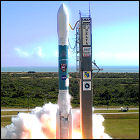
 NASA successfully launches the Swift unmanned deep space observatory after a small delay. Carrying three different instrument packages, Swift’s mission is specifically to observe, categorize and study the aftereffects of gamma ray bursts. The satellite is designed to aim itself at any such bursts that it detects within mere seconds so it can catch the short-lived aftereffects and relay its findings to ground controllers. It is believed that some of the bursts are caused by the dying collapse of stars, and possibly the formation of black holes, and as such may be some of the most powerful energy releases known in nature. Swift is expected to observe as many as 100 gamma ray bursts per year.

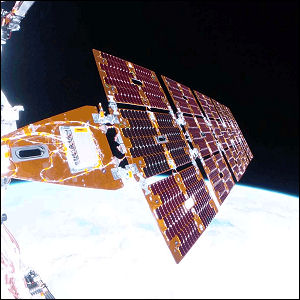 Developed in under a year to rendezvous, dock with, and boost the orbit of NASA’s aging
 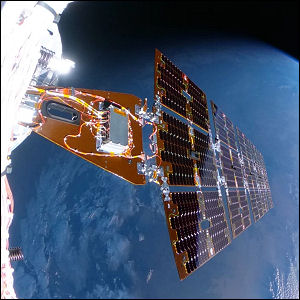 Just weeks after its launch to boost the orbit of the
 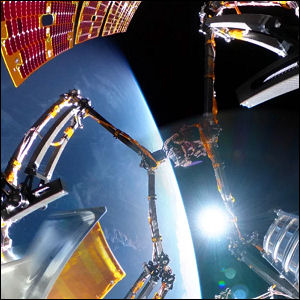 Katalyst Space’s LINK uncrewed spacecraft, launched in July after a crash development and construction program to boost the orbit of the