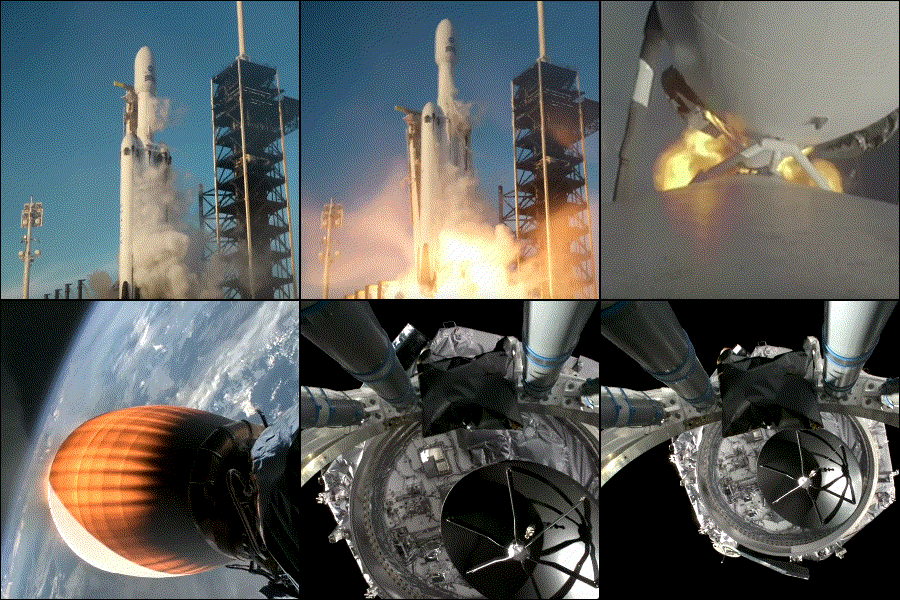
 NASA launches the Nancy Grace Roman Space Telescope, named for the agency’s first Chief Astronomer who championed the development of the earlier (and still operating) Hubble Space Telescope mission. Lofted into a halo orbit around the L2 LaGrange point by Falcon Heavy booster, the Roman Space Telescope promises to cover both visible and near-infrared space with optics and sensors superior to Hubble’s technology, which was developed in the 1970s and ’80s and was required to fit in the cargo bay of the space shuttle. Without that restriction, and with more recent optics and technology that had originally been developed for Earth-orbiting spy satellites that were never launched, the Roman Space Telescope also boasts a coronagraph which will block the light of distant stars, allowing the telescope to make the first direct visual observations of exoplanets in other star systems.

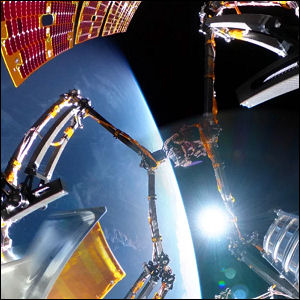 Katalyst Space’s LINK uncrewed spacecraft, launched in July after a crash development and construction program to boost the orbit of the