
 NBC airs the second episode of the Marvel animated series Spider-Man And His Amazing Friends, starring the voices of Dan Gilvezan (Transformers), Kathy Garver (Family Affair), and Frank Welker (Scooby-Doo, Transformers, The Smurfs). This episode is co-written by novelist Donald F. Glut (of The Empire Strikes Back novelization fame).
This series is not yet chronicled in the LogBook. You could join theLogBook team and write this guide or support the webmaster’s efforts to expand the site.
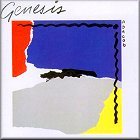 Charisma Records and Atlantic Records release the
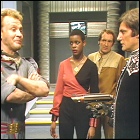 BBC1 premieres the
 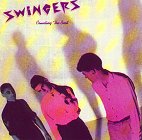 Mushroom Records releases
 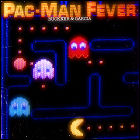 A musical ode to video gaming starts climbing the charts as Buckner & Garcia issue their single Pac-Man Fever (a full album, filled out with other video game tribute songs, will follow in 1982). Shortly before the album’s release, the “Pac-Man Fever” single peaks in the Billboard Hot 100 at #9, having sold over a million copies.
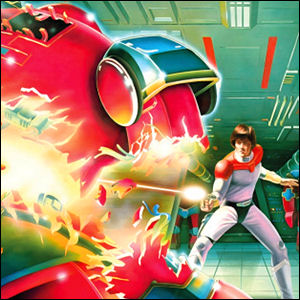 Atari releases the home version of the arcade hit
  A&M Records releases the
  BBC1 premieres the
 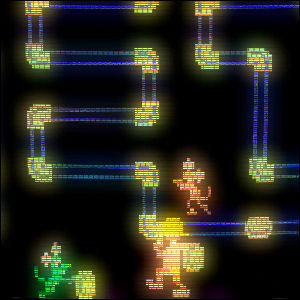 Nichibutsu releases
 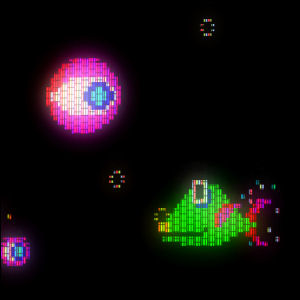 Sun Electronics releases the arcade video game Funky Fish in the United States. A mixture of side-scrolling shooting action (a la Defender) and cute characters, Funky Fish does not enjoy widespread popularity, but is licensed to be ported to home video game consoles.
 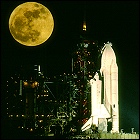 The second launch of Space Shuttle Columbia gets an unexpected one-month delay when a fuel leak forces NASA to remove, clean and re-attach 300 thermal tiles. The work can be done on-site, so Columbia simply stays on the pad. The second launch will be the last for the white external fuel tank, since NASA has determined that its brown insulating foam layer will cause no problems if left exposed; leaving off the coat of white paint saves several hundred pounds.
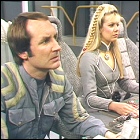 BBC1 premieres the
  Mattel Electronics releases the
 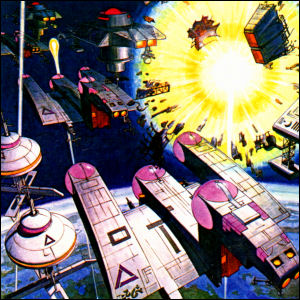 Mattel Electronics releases the
 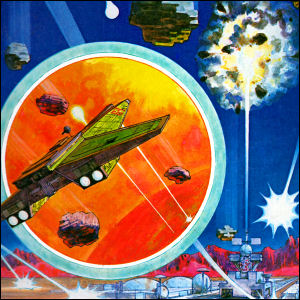 Mattel Electronics releases the
 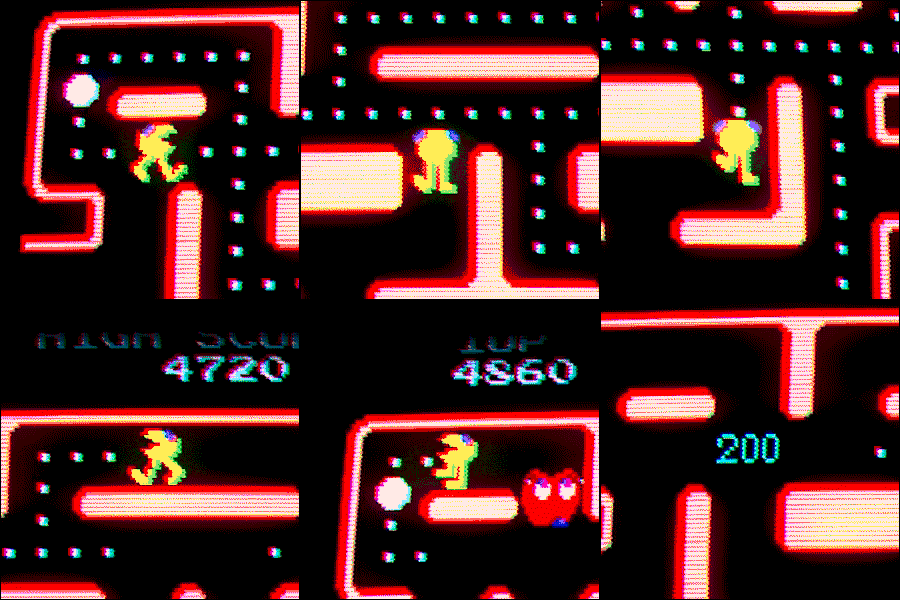 General Computer Corp., a small company making “grey market” modification kits to freshen up Pac-Man and Missile Command arcade games, cuts a deal with Midway, the American licensee for Pac-Man, handing over the code to its Pac-Man modification kit Crazy Otto. Midway contracts GCC to continue work on the kit, but now under license. The first thing to go are the kit’s name and its modified Pac-Man character, who now has legs. A few changes and a few months later, the game’s central character has no legs, but will now sport lipstick and a pink bow, as Midway prepares to officially release the new game as an authorized Pac-Man sequel, Ms. Pac-Man – amazingly good luck for a small business that could just as easily have been sued into oblivion.
 Decca Records releases the
 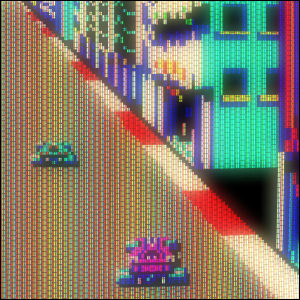 Sega raises the graphical bar for first-person driving games with the release, at year’s end, of the arcade game
  BBC1 premieres the
  BBC1 premieres the
  ITV premieres the
 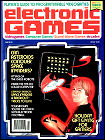 Reese Communications publishes the first issue – and, if it doesn’t sell well, likely the only issue – of Electronic Games Magazine, the first periodical devoted to video games and other electronic forms of entertainment. Video Magazine columnists Bill Kunkel and Arnie Katz (operating under the pseudonym Frank Laney Jr. in order to protect his more “serious” writing work) propose the magazine after a string of successful video-game-focused issues of Video, and, with Katz’ wife Joyce Worley joining in the writing and editing duties, become the first video game journalists, inventing such now-common terms as “playfield”, “screenshot”, and “Easter egg”. Though the first issue could have been a one-off experiment, the magazine goes monthly by the end of spring 1982.
 Beating Atari’s home adaptation of Pac-Man to the punch by nearly half a year,
 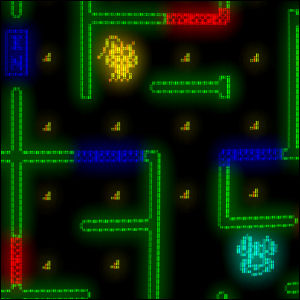 Exidy’s colorful coin-op video game