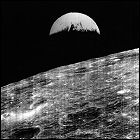
 The first of five Lunar Orbiter satellites is launched by NASA, on a mission to map the moon and scout out promising landing sites for the Apollo program. In addition, radiation and micrometeor collision detectors fly aboard each Lunar Orbiter to see if the design specs of the Apollo spacecraft will be adequate to protect astronauts. Lunar Orbiter 1 is the first spacecraft to send home an image of the Earth as seen from the moon. To keep it from being a navigational hazard to future spacecraft, each Lunar Orbiter deorbits and crashes into the moon after completing its survey.

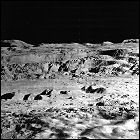 The second in NASA’s series of
 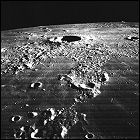 The third of five Lunar Orbiter satellites is launched to the moon by NASA, and once in orbit,
 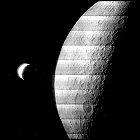 NASA’s fourth Lunar Orbiter satellite lifts off for its one-week trek to the moon. Placed into an orbit that takes it over the moon’s poles instead of its equator,
 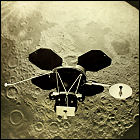 NASA’s final Lunar Orbiter satellite is sent to the moon, with a goal of completing the mapping of the moon’s surface left unfinished by mechanical issues with its predecessor. Lunar Orbiter 5 completes the mapping of the lunar far side and helps engineers and scientists determine signal coverage from the Earth-based tracking stations that will help NASA stay in contact with future Apollo missions to the moon.