
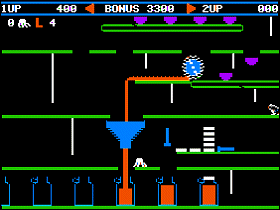
 The Game: You control a spider, wandering though a factory that makes cider, and to survive this trip you better be a good hider, for the spider can’t survive with any apples that might collide ‘er. The spider can become a rider on conveyor belts, but she can also fall off if the spider tries to jump over something wider than she can navigate. The goal is to help your spider reach home despite all the perils that would divide ‘er. (Sierra On-Line, 1983)
Memories: A cute game requiring heaps of good timing, Ivan Strand’s Apple Cider Spider takes some staples of the platform/climbing genre, adds a few twists, and pours on the cute for good measure. It’s a delightful game that’s funny because nothing really violent can happen here, aside from stumbling into a few grisly ways to die here and there. (Well, grisly if you’re a spider.)
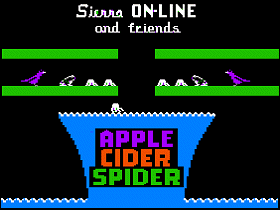 I have to give a special mention to Apple Cider Spider‘s animated intro screen, which is also excessively cute (and funny to boot). This is a game that makes the best possible use of the Apple II’s graphics capabilities, though the spider itself has a tendency to briefly blink off and back on; it’s not as bad as the ghosts in Atari 2600 Pac-Man, but it is noticeable.
 Fondly remembered by nearly everyone who played it in the ’80s, Apple Cider Spider is one of those Apple II games where everything came together.